Photographs coming soon
A number of display cases in the Museum hold finds unearthed during the excavations carried out between 2006 and 2012 by the Soprintendenza per i Beni Archeologici della Lombardia — the regional authority for archaeological heritage — under the direction of Dr Barbara Grassi.
Recovered from the lakebed by underwater archaeologists, these objects and fragments do more than date the context they came from (vessel shapes and decorations are the hallmark of a specific period and a specific culture): above all, they tell us how the community of the Bodio Centrale village lived.
Photographs coming soon
Large jars for storing cereals, cups, bowls, a baking dish and the fragments of a portable stove speak of how food and drink were cooked and consumed. Flint arrowheads and sickle blades bear witness to hunting — chiefly deer and, far more rarely, wild boar — and to farming. And a weight, fashioned from a reused potsherd shaped into a rectangle with two deep notches at its centre, was probably used for fishing.
Photographs coming soon
We know that Bronze Age farmers grew barley and several kinds of wheat, common and foxtail millet, peas, lentils and broad beans, grass pea, vetch, flax and opium poppy. The Bodio community also raised livestock: cattle — central to the village economy, since they doubled as its main source of labour — together with sheep, goats and pigs.
Spinning and weaving were also practised in the village. The disc-shaped spindle whorl in the display case was a spinning tool: slotted onto a wooden spindle, it added weight and stability, keeping the spindle turning long enough to twist textile fibres — plant fibres such as flax and nettle, as well as wool — into thread.
Faithful reconstructions
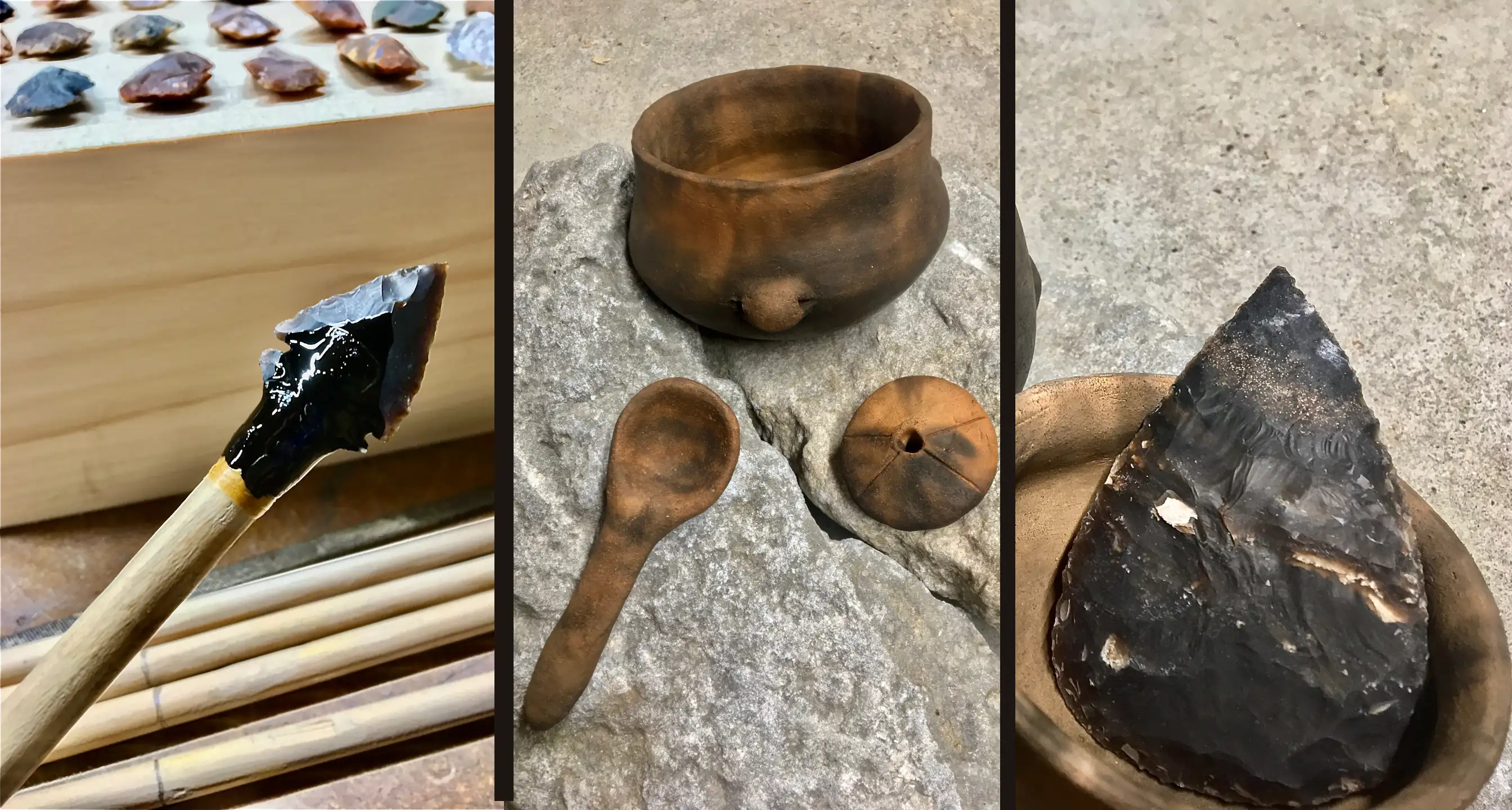
Among the most significant strands of the project to bring the prehistoric pile dwelling of Bodio Lomnago to life is the creation of reproductions of Neolithic and Bronze Age objects. Reconstructed from the archaeological evidence recovered at the site, these pieces give visitors a tangible sense of the daily life of the communities that lived on the shores of Lake Varese thousands of years ago.
Most of the original finds on which the reproductions are based are kept and displayed at the Civic Archaeological Museum of Villa Mirabello in Varese, while some objects — pottery above all — are housed at the NEOBODIO Open Air Museum. Each reproduction rests on a close study of the shapes, sizes and manufacturing techniques documented by excavations and research, with the aim of conveying not only what these objects looked like, but what they were for and the cultural context in which they were used.
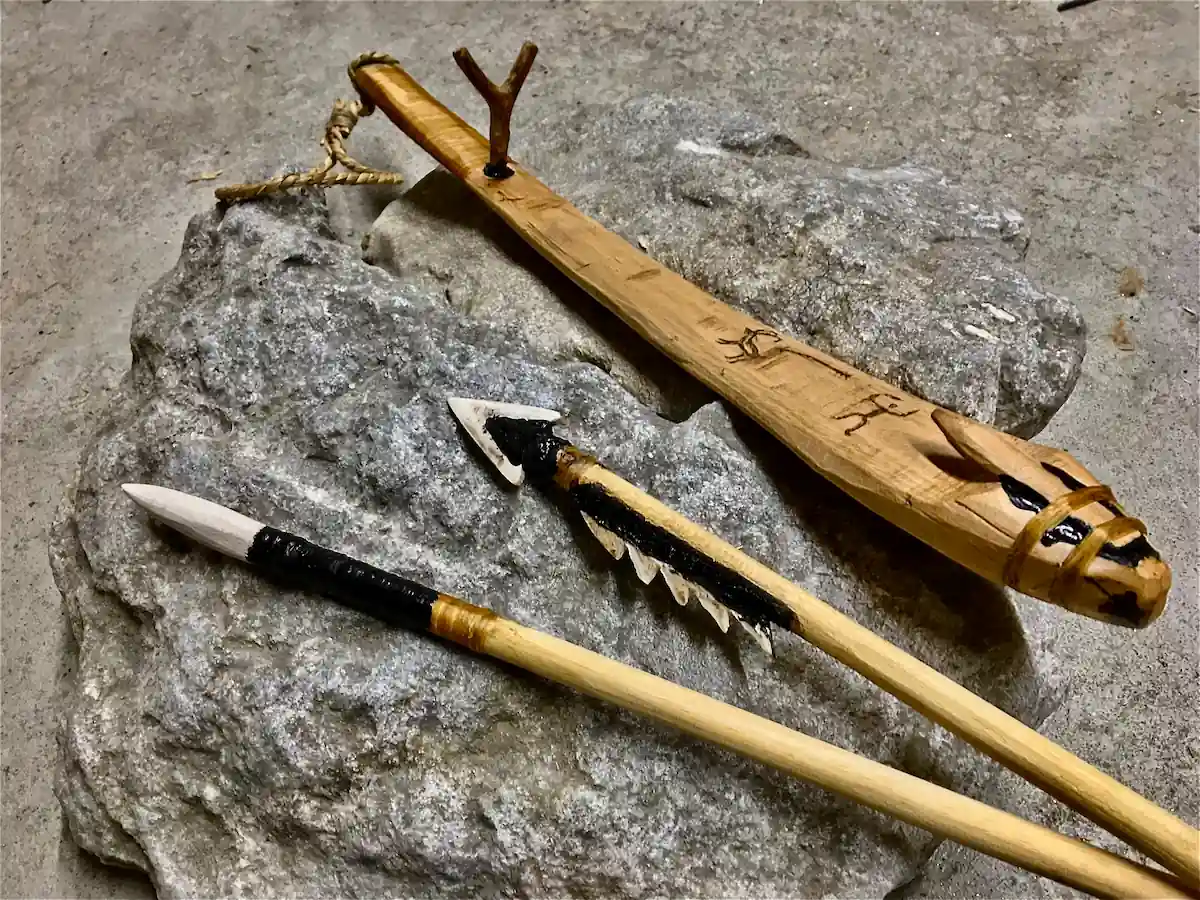
Among the pottery, storage jars and cups for preparing, keeping and consuming food stand out. Most intriguing of all is the pintadera, a small ceramic object decorated with geometric motifs in relief, whose purpose scholars still debate. It is usually read as a kind of stamp, used with coloured pigments — but what it stamped remains uncertain: it may have adorned people's bodies on special occasions, or printed ornamental patterns on textiles and other perishable materials that have not survived — or perhaps for both.
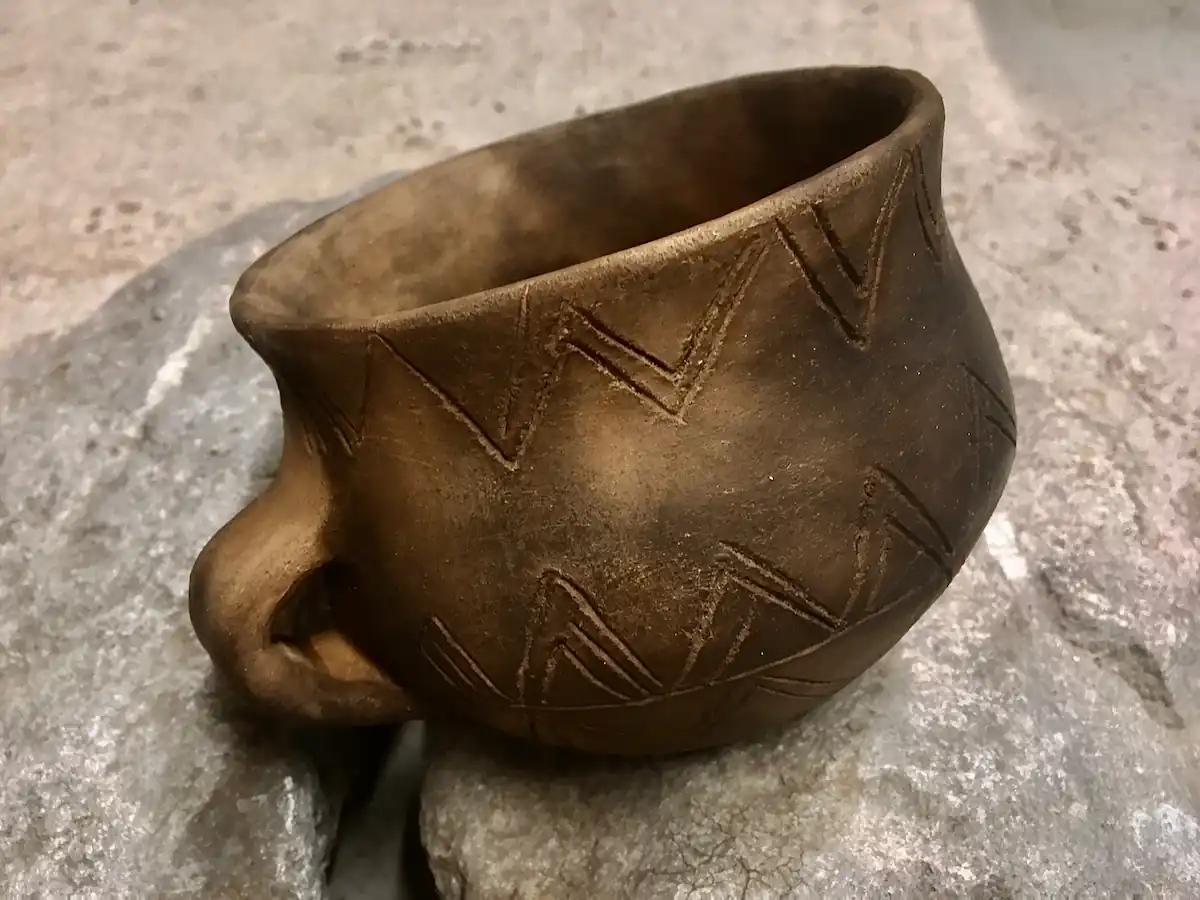
Alongside the reproductions of the vessels, a whole range of tools has been reconstructed to illustrate the daily activities of these prehistoric communities. There is a wooden bow with flint-tipped arrows, kept in a fur quiver; a spear-thrower with darts, used to hunt medium and large game; a fishing net fitted with wooden floats and stone weights; an axe with a blade of green serpentine for felling trees; a wooden sickle with inset flint bladelets for harvesting cereals; and a stone quern and grinder for turning grain into flour.
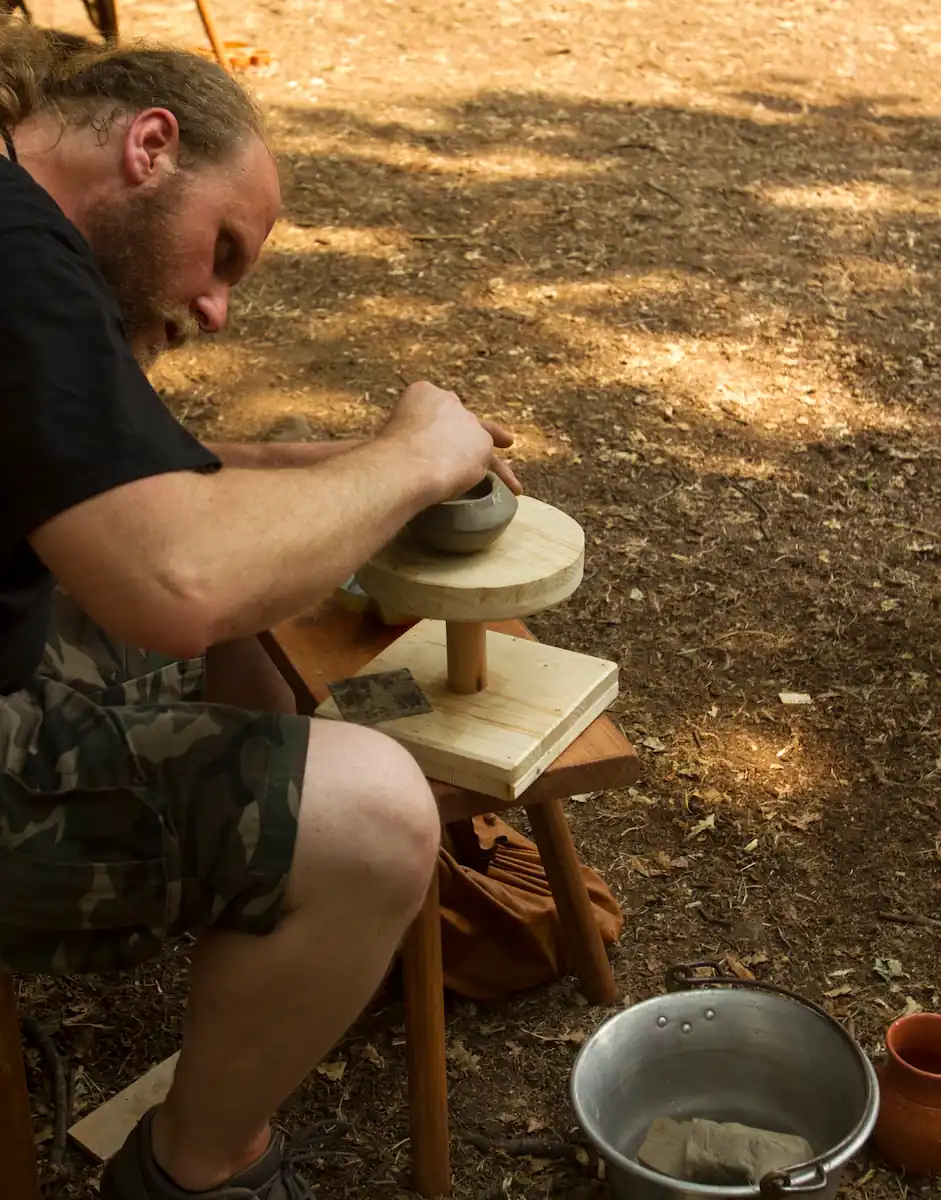
The reproduction project is not a finished piece of work but one in constant development. New objects will steadily join the displays, so that every visit holds something new to discover. This is one of the most dynamic sides of the Museum: a collection that keeps growing, enriched over time by archaeological research and experimental archaeology.
Photographs coming soon
The same principle guided the building of the pile platform and the hut that stands on it. What you see today is only one phase of the project: in the years ahead the hut will be altered, strengthened and refined, just as prehistoric settlements were continually adapted to the needs of the communities living in them. Two more huts are also planned, forming a small cluster of dwellings — and an even clearer picture of how a pile-dwelling community of later prehistory organised its spaces and its life.